Smart Business Tools for the Modern Entrepreneur All About Zoho...
Read MoreTitle: Web3 and True Digital Ownership: The Future of the Internet
How Blockchain and Decentralization Are Reshaping Online Interactions
What is Web3?
Key Features of Web3
Self-Sovereign Identity (SSI)
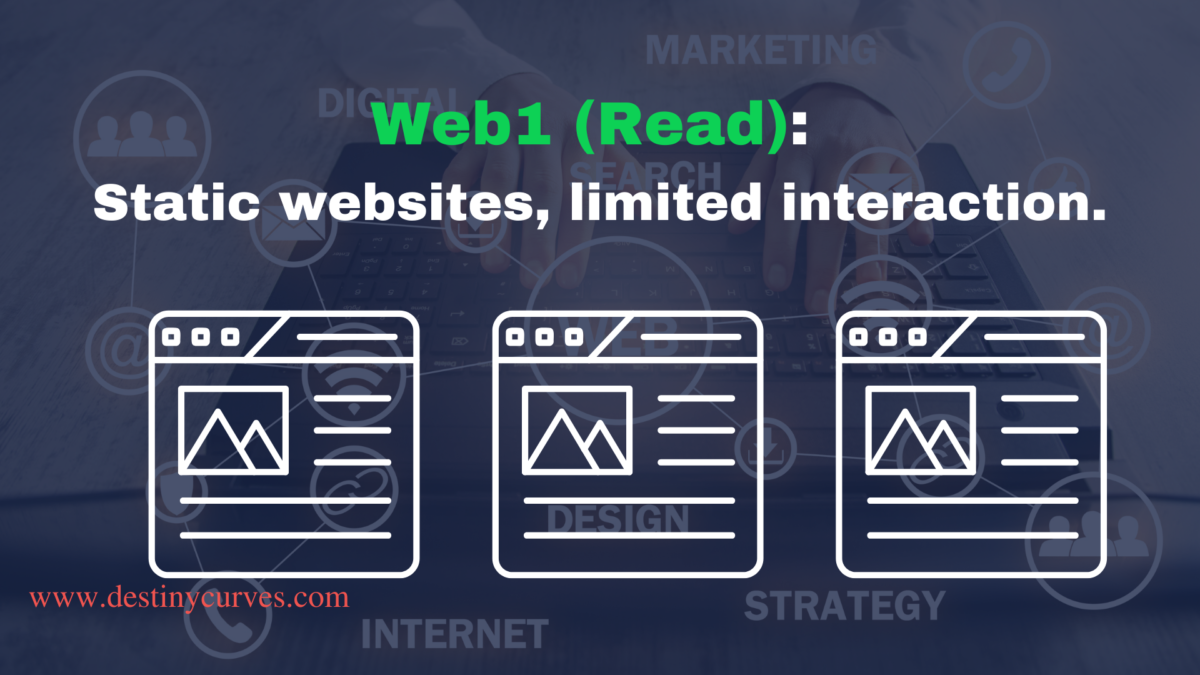
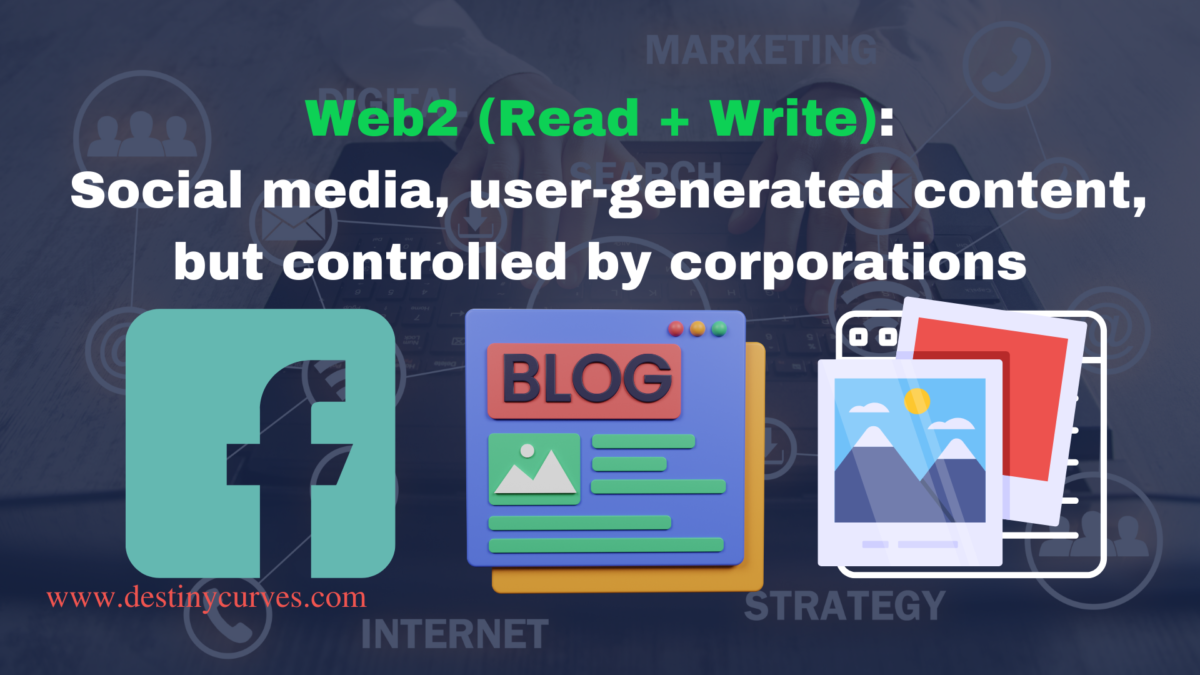
- In Web2, platforms like Facebook or Google own your digital identity and can revoke access at any time.
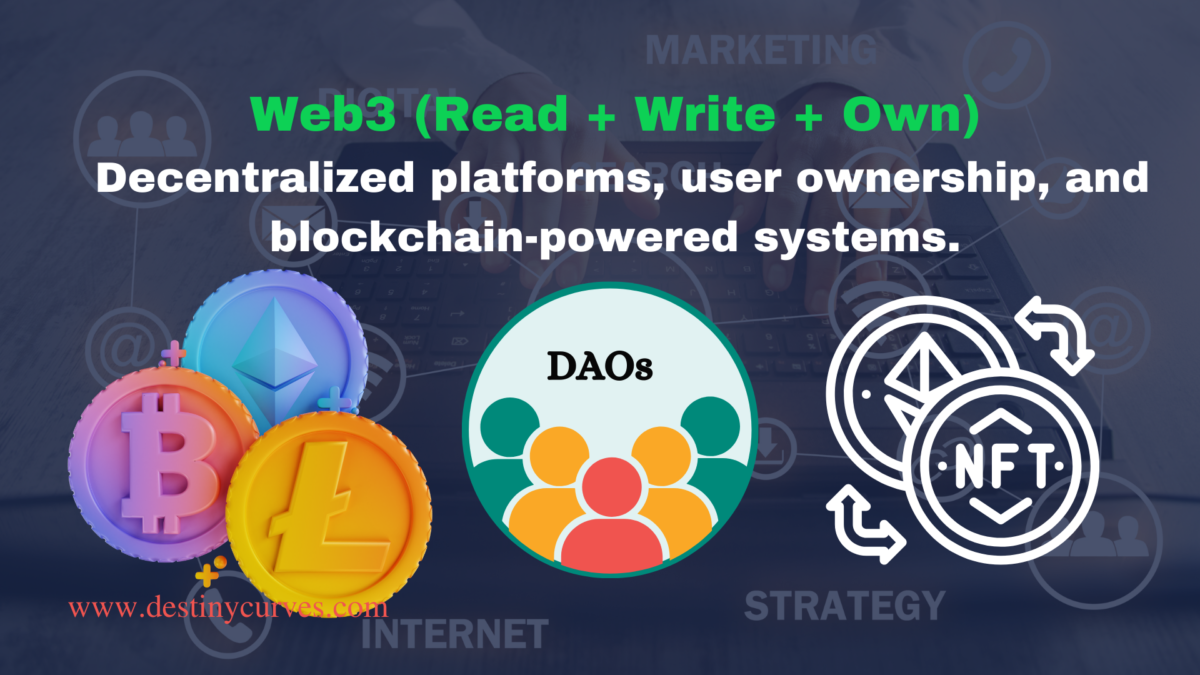
- In Web3, users can control their own identities using decentralized identifiers (DIDs) and crypto wallets (e.g., MetaMask, Phantom).
- Your data is stored on a blockchain, and you can use private keys to prove ownership without relying on a third party.
Governance & Decision-Making (DAOs)
- Web2 companies (like Twitter, YouTube) make unilateral decisions that affect users (e.g., bans, policy changes).
- Web3 uses Decentralized Autonomous Organizations (DAOs), where users who hold governance tokens can vote on platform decisions.
🔹 Example: A DAO for a gaming platform allows token holders to vote on new features rather than a company making the decision alone.
Decentralized Finance (DeFi) & Banking Without Middlemen
- Web2: Banks and financial institutions control your funds, charge fees, and require permission for transactions.
- Web3: DeFi platforms (like Uniswap, Aave) allow peer-to-peer financial transactions without middlemen.
- You hold your assets in a crypto wallet (not in a bank), meaning no entity can freeze or seize your funds.
🔹 Example: If you store USDT in a MetaMask wallet, you can transfer it anytime without a bank’s approval.
Digital Asset Ownership (NFTs & Tokens)
- Web2: If you buy digital content (e.g., an in-game skin, eBook, or song), you don’t truly own it—you just have a license controlled by a company.
- Web3: Using NFTs (Non-Fungible Tokens) and cryptographic signatures, you can prove ownership of digital assets (art, music, domain names, game items) independent of any platform.
🔹 Example: If you own an NFT from OpenSea, you can use it across different blockchain-based platforms without needing permission from OpenSea.
Censorship Resistance
- In Web2, centralized platforms can remove content or ban users (e.g., Twitter bans, YouTube demonetization).
- In Web3, data is stored on decentralized networks (like IPFS, Arweave), making it resistant to censorship.
🔹 Example: If Twitter were Web3-based, users could retain ownership of their tweets and migrate them to other platforms without losing content.
Challenges of Web3
Scalability Issues – Blockchain networks often struggle with slow transaction speeds and high fees.
Regulatory Uncertainty – Governments are still defining how to regulate Web3 technologies.
User Experience – The complexity of blockchain wallets and dApps can be a barrier to mass adoption.
Security Risks – Smart contract vulnerabilities and phishing attacks remain a concern.
Share your opinion with us.
How do you see yourself participating in Web3—investing, developing, or just observing?
Click HereGoogle’s AI Workflow Revolution
Google’s AI Workflow Revolution How Work Is Changing Forever Artificial...
Read MoreTech Jargon- Basic
Tech Jargon Tech terms don’t have to be confusing. Here’s...
Read MoreThe Rise of Women Tech Entrepreneurs in India: A Revolution in Progress
India’s tech landscape is transforming, and women entrepreneurs are at...
Read More